10 Questions for Emma White
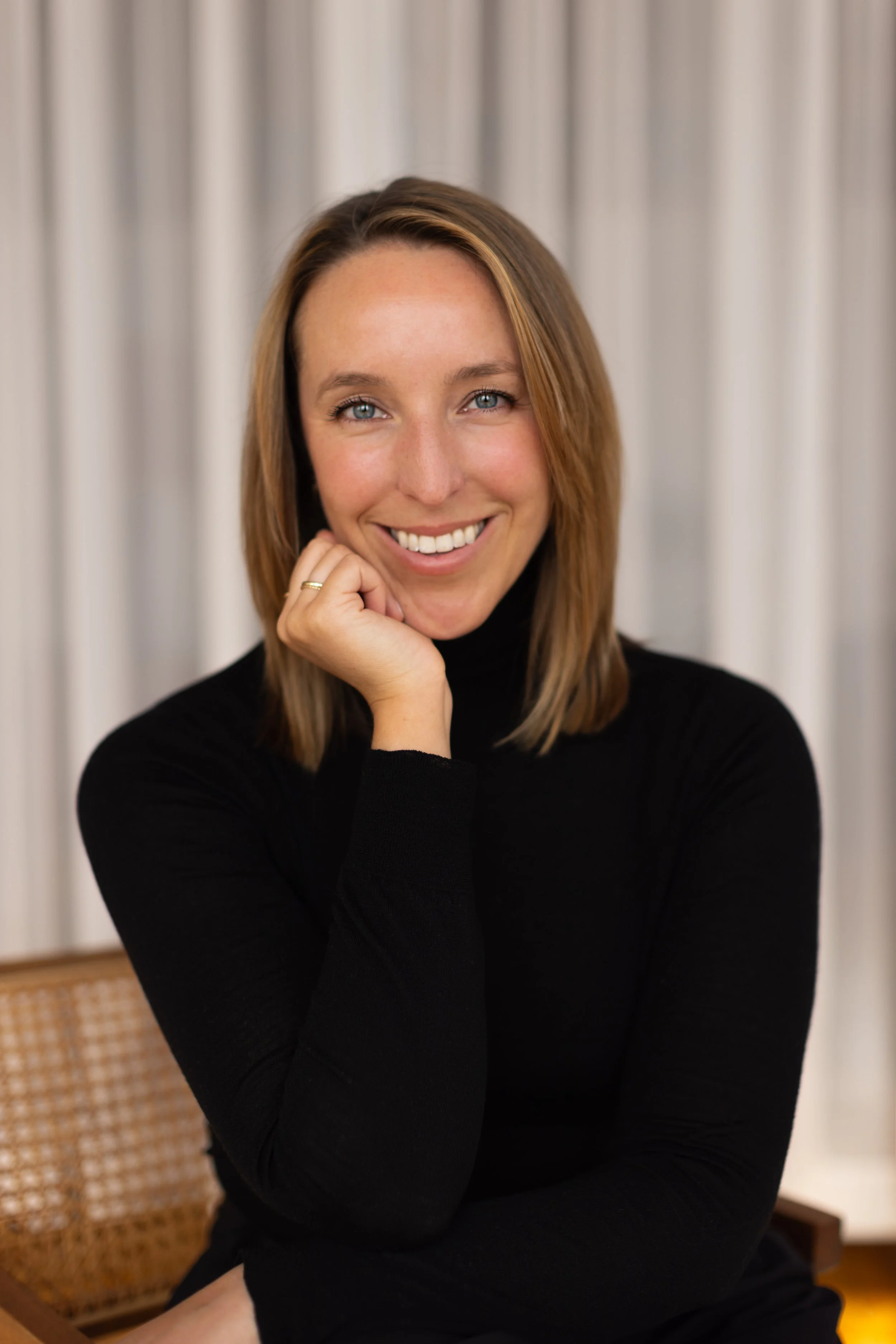
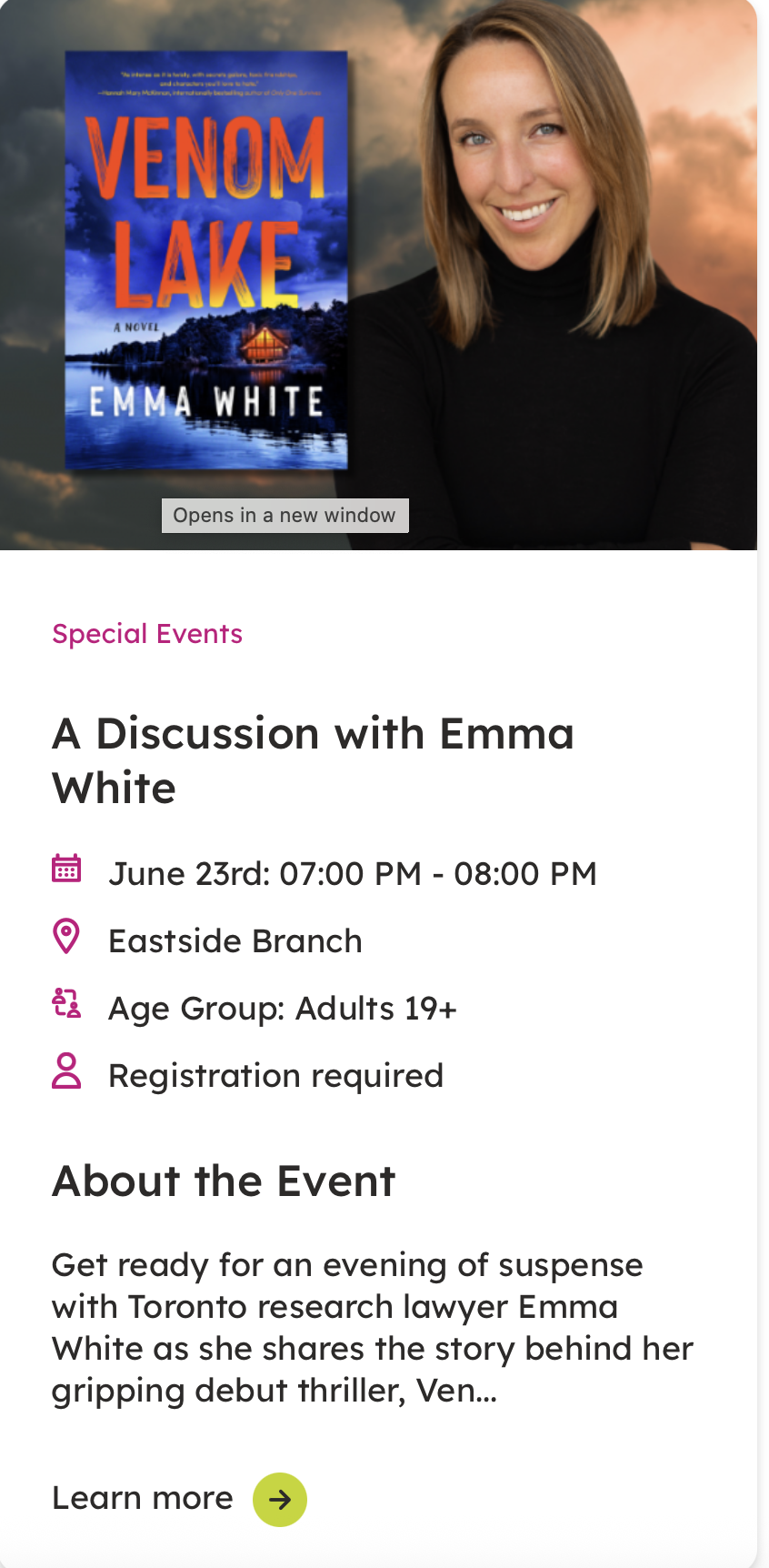
Emma White, author of Venom Lake (Harper Collins Canada, 2026)
I’ve been very lucky in that that so many of the authors I admire have become my friends. Even more delightful is when the opposite happens; every now and then, a friend I admire will become an author. Such was the case with the wonderful Emma White.
Emma and I met as residence dons at Victoria College, which sort of felt like being camp counsellor at a camp that ran all year. Emma was a don at Annelsy Hall, the women’s residence where I’d lived in my first year, and we spent many evenings hanging out in her room, not doing much except laughing, talking about this and that. Emma was one of those people who always made you feel like she was just so glad to see you, and that she was extremely interested in what you had to say. She was kind and responsible and very, very smart. I remember that she loved to read, but as far as I knew she didn’t have any ambitions of becoming a writer.
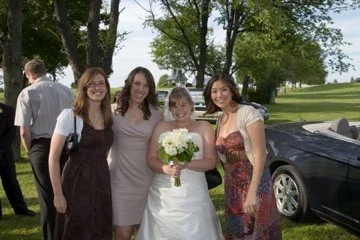
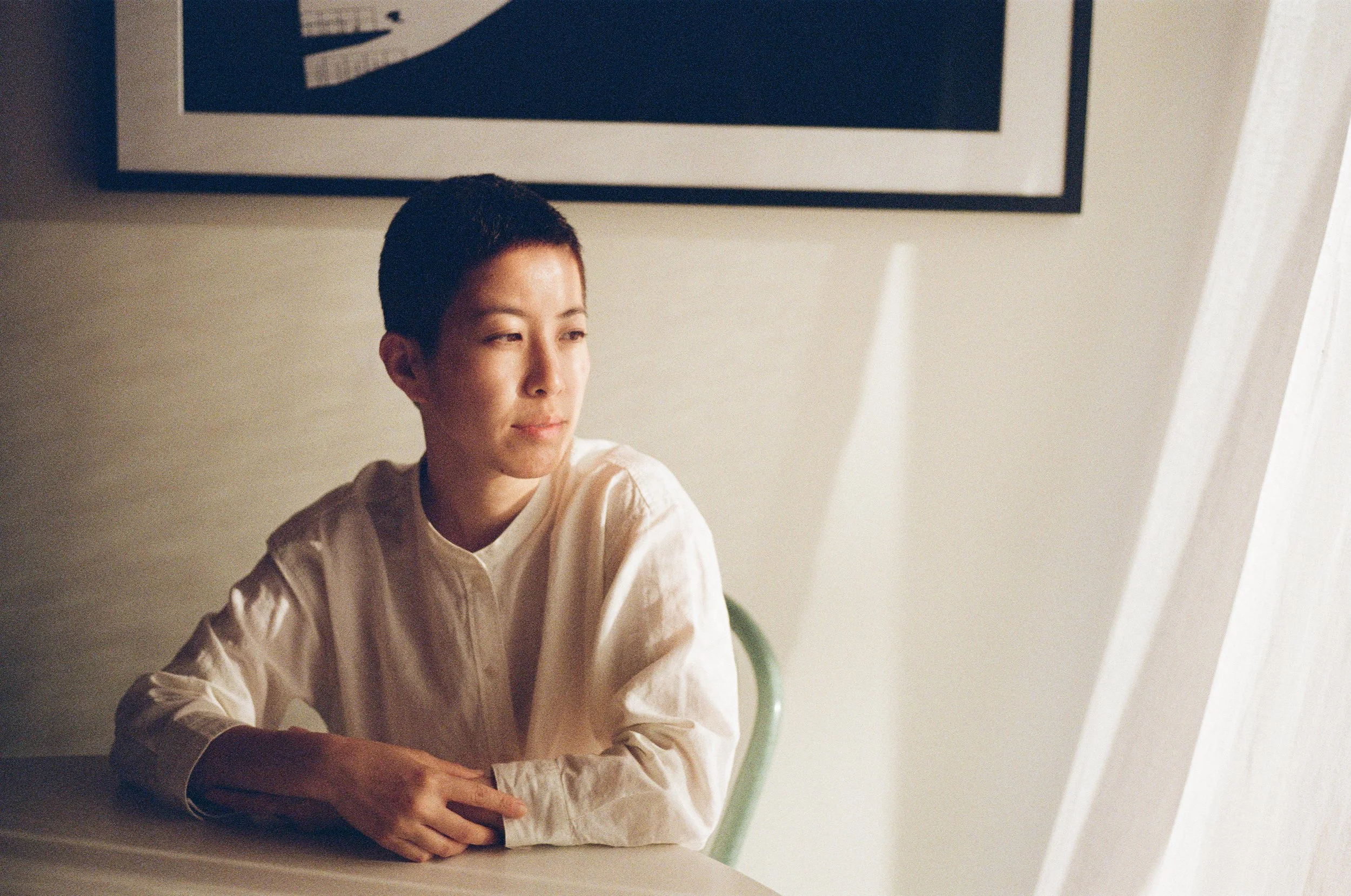
Emma and I at my wedding, with our friends Michelle and Emily.
Skip forward a few years. I was married and living in Seattle, but had decided to return to Toronto temporarily to complete a degree in education at OISE. I needed somewhere to live, and Emma and our friend Michelle invited me to move into their apartment, a lovely nest full of light and hand-me-down furniture, which occupied the top two floors of a victorian house on Shaw Street. Emma was just about to start Law School, Michelle her MBA. I’d be subletting the room of our friend Emily, who was off to the London School of Economics for the year.
That year was such a gift. Even though I was happily married and missed my husband, it was surprisingly easy to step back into the life of a student living with friends. We cooked together, studied around the kitchen table, and stayed up late talking. After the year was through, I went back to Seattle, back to my married life, and when I returned to Ontario for good a couple of years later, it was to Waterloo, not Toronto.
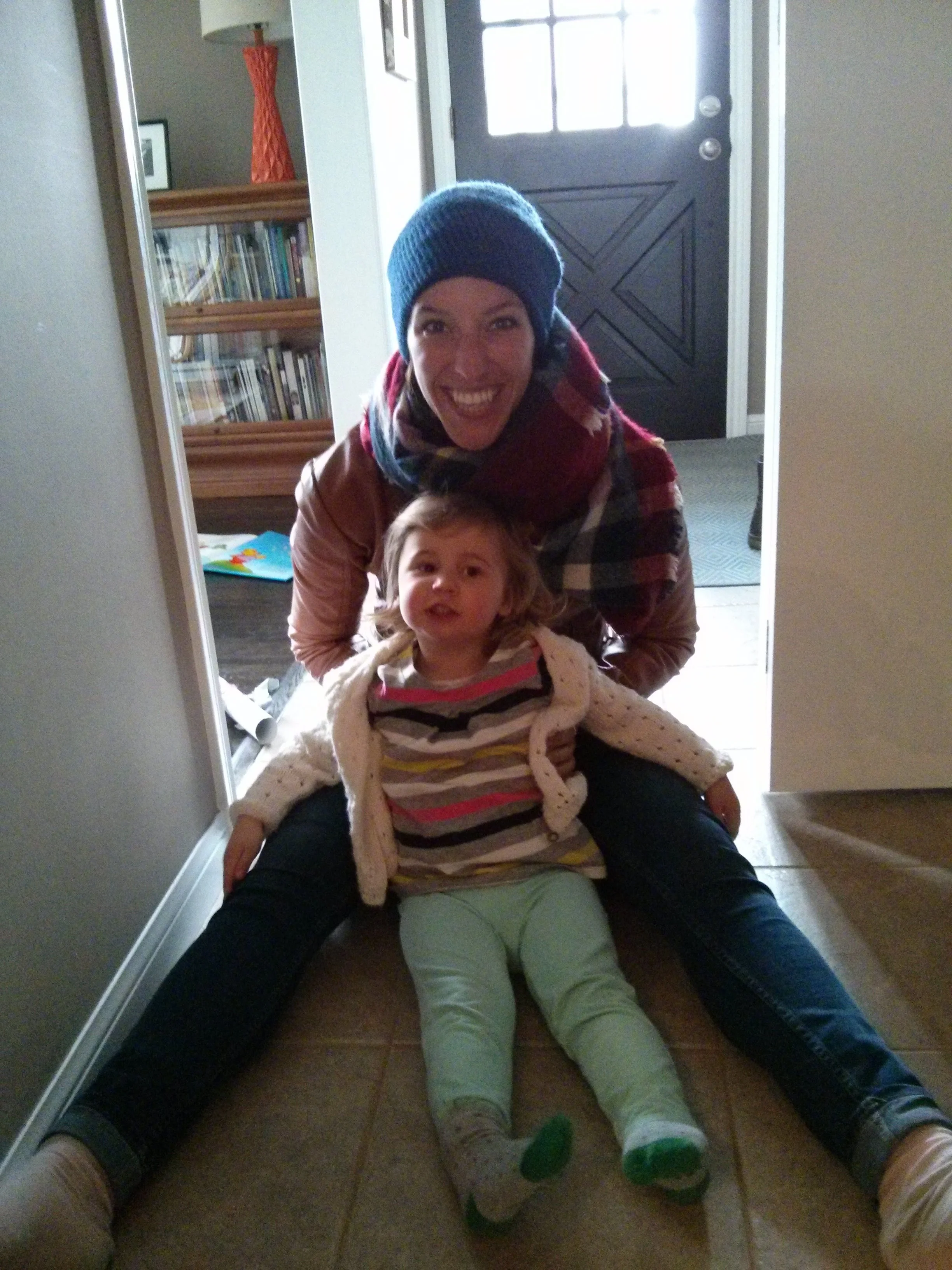
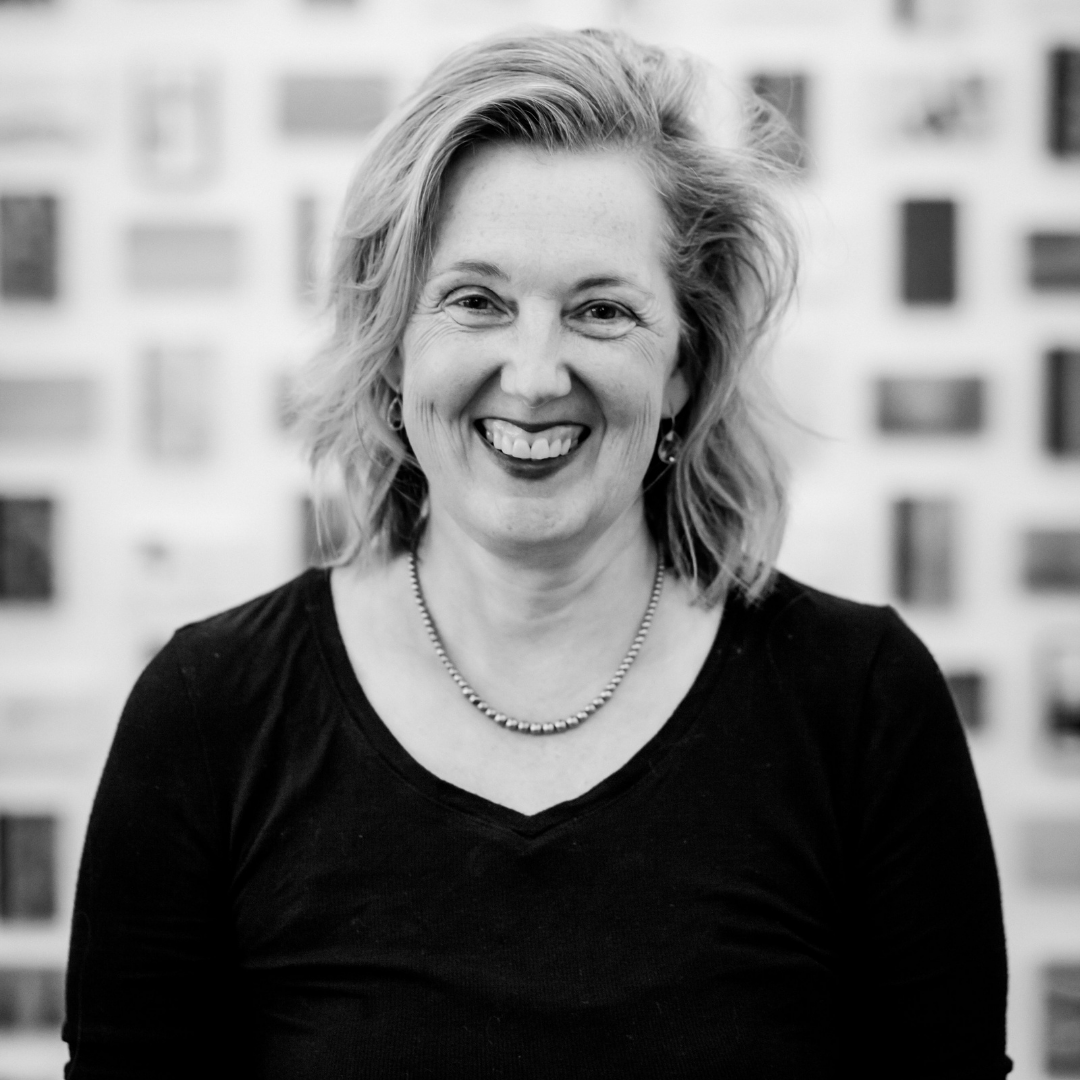
Emma and my daughter, Zoe, in 2014.
Emma made the trek out to visit me a few times—no small feat! But life got busy for both of us. Emma was a practicing lawyer who travelled the world in her spare time. I had two small children and was trying to break into the picture book market. We kept in touch when we could, but I had no idea Emma was writing until I was listening to The Shit No One Tells You About Writing podcast one day while walking my dog, and I suddenly heard Emma’s voice. Having recently completed her first novel, she had submitted a query letter for the show’s hosts to critique.
It would be a few more years before Emma and I would be able to finally toast her first book deal. In the meantime, she showed remarkable grit and growth as a writer, persevering in the face of the inevitable setbacks and near-misses that line the road to publication. Eventually, her determination and tireless work paid off. Emma landed a fabulous agent and together they sold her debut thriller.
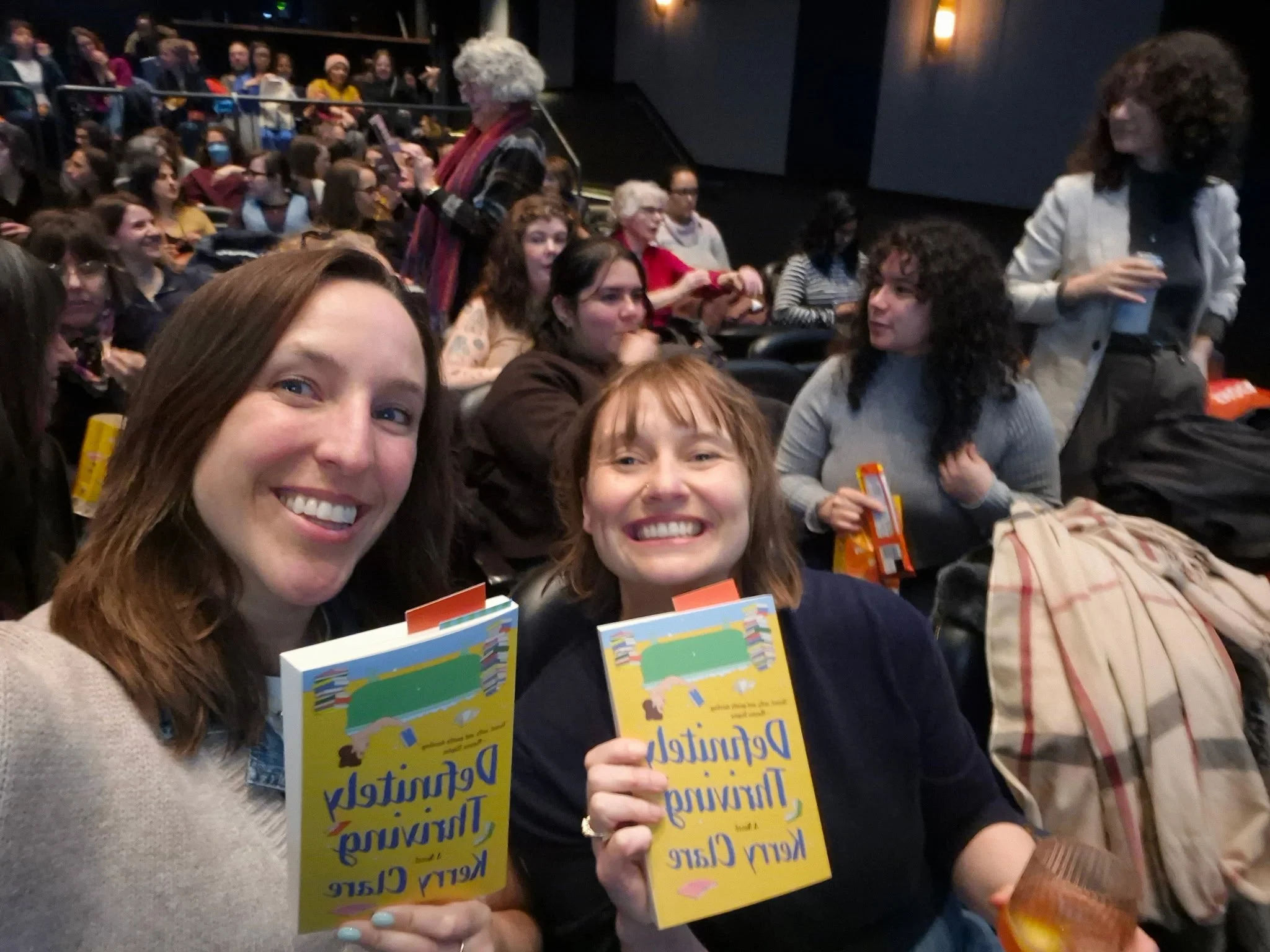
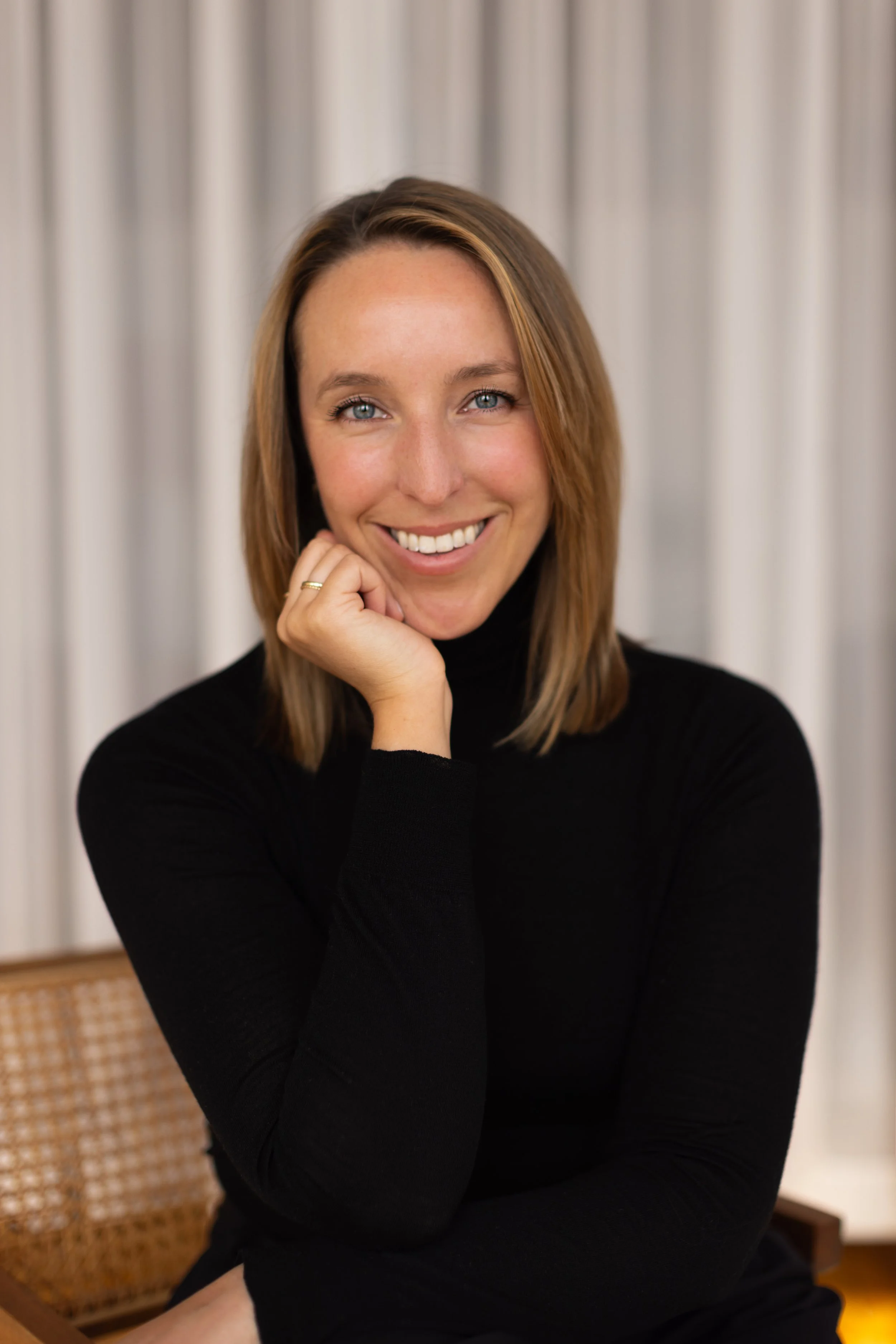
Emma and I at the launch of Definitely Thriving, by Toronto author and fellow Annesley Hall alum Kerry Clare.
And then one day this winter the advanced copy of Venom Lake landed in my mailbox. Truth be told, I’m not usually a thriller reader, but this one hooked me right away. There were many twists and turns that genuinely surprised me, but what shocked me the most was that my sweet, empathetic friend had created this cast of deliciously vicious and narcissistic women— a group of friends I wouldn’t wish on my worst enemy!
By the time I closed the book I had so many questions for Emma, so many things I wanted to talk about. I suddenly wished we still lived in the same apartment, that I could go bang on her bedroom door and pour out all my thoughts. Instead, I sent her this list of questions!
1. Were you a bookish child? What was a book that left a mark on you early on?
Bookish in the extreme! My parents took my siblings and me to the library every week to re-stock on fresh stacks of stories. One book that made an early impression was Gordon Korman’s THIS CAN’T BE HAPPENING AT MCDONALD HALL. I laughed so hard I cried. I love it when books make me cry!
2. Venom Lake centres around the incredibly toxic friendship between four women, which is kind of funny, because you are an incredibly warm and generous friend. Why you chose to ground your story in this type of relationship, rather than, say, in the dynamics of a romantic relationship? What is it about these characters that makes them incapable of real connection and authenticity?
I think the relationships women have with one another are nuanced and fascinating; especially in a group, the unspoken dynamics can be intricate. Largely, these relationships are wonderful (my friendships with other women are one of the great joys of my life). However, because these relationships are so rich and so deep, sometimes when things go wrong they go really wrong. Perfect fodder for a psychological thriller! The characters in VENOM LAKE have a number of challenges making them incapable of real connection and authenticity, ranging from garden-variety insecurity and pride to narcissism and lethal sociopathy.
3. I know how much your friendships mean to you in real life. What is the secret to lasting and genuine friendship, particularly as we grow older?
Letting people be who they are now. I am very lucky to have friendships that are 10, 15, and even 25+ years old. There is something really special about knowing people at different stages of life, and seeing them evolve over the years. I try not to hold on to old versions of who my friends were in the past (as fun as it was to know them then!) and instead to embrace who they have become.
4. Writing a thriller is a technical feat! I was particularly awed by how this is a multi POV story, written in 3rd person close. You create for the reader the illusion that they’re fully immersed in the narrator’s POV, while at the same time expertly controlling the unveiling of each clue and bit of information. Somehow it never feels forced, and you never draw attention to the gaps between what is being revealed and what remains hidden. It’s like a magic trick! How did you manage this?
The magic trick is that I have to fool myself as well! I’m a pantser, not a plotter, so I went into this book with only a vague sense of what was going to happen. I knew one of the women would be murdered, but I wasn’t sure who the killer was. I didn’t figure out who had done what (or why!) until I was more than halfway through writing it. Then, in subsequent drafts, I went back and wove in more clues to make the story cohesive. I owe a huge debt of gratitude to my editor at HarperCollins Canada, Janice Zawerbny, who really helped me tighten up the whole thing.
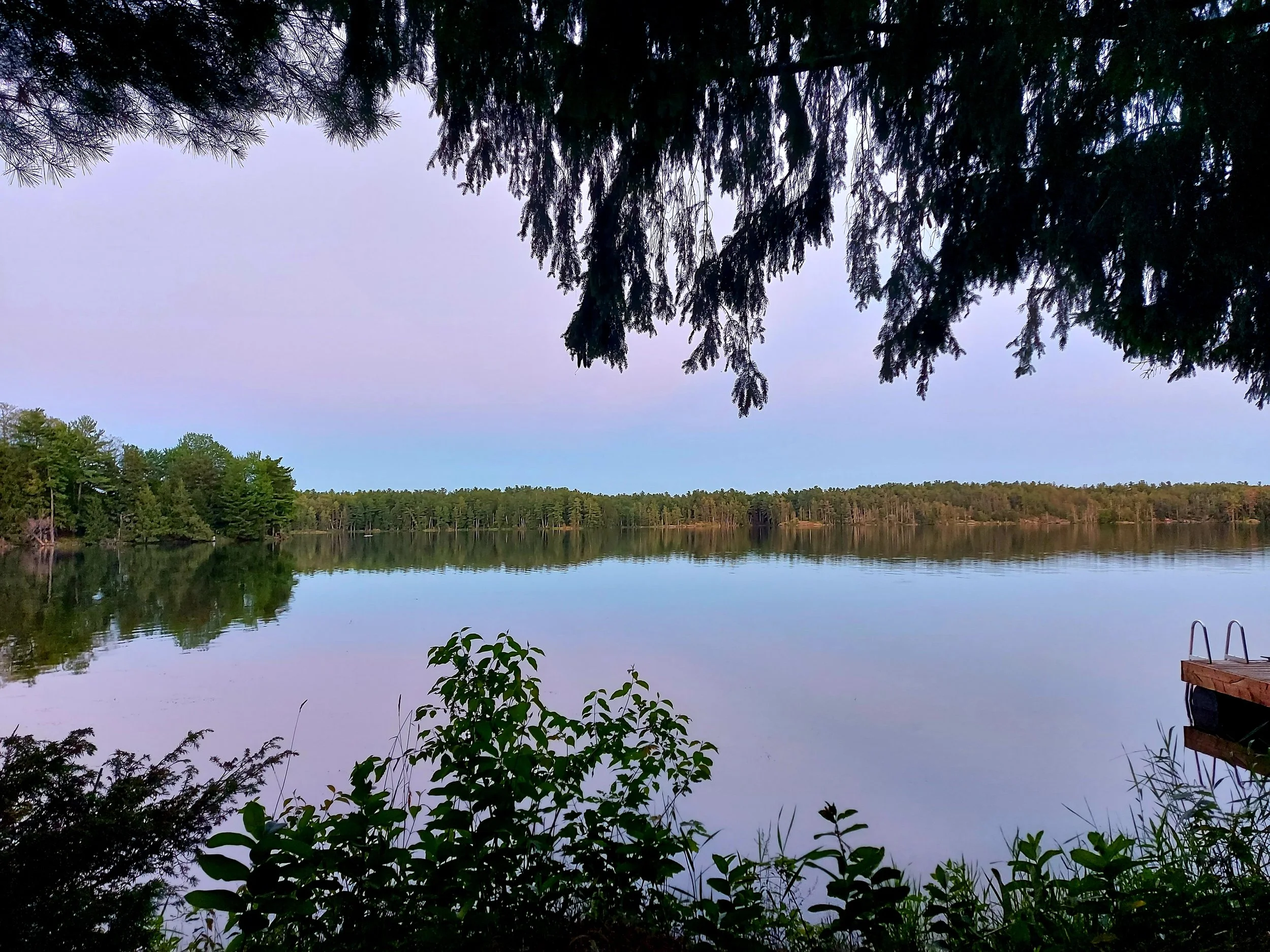
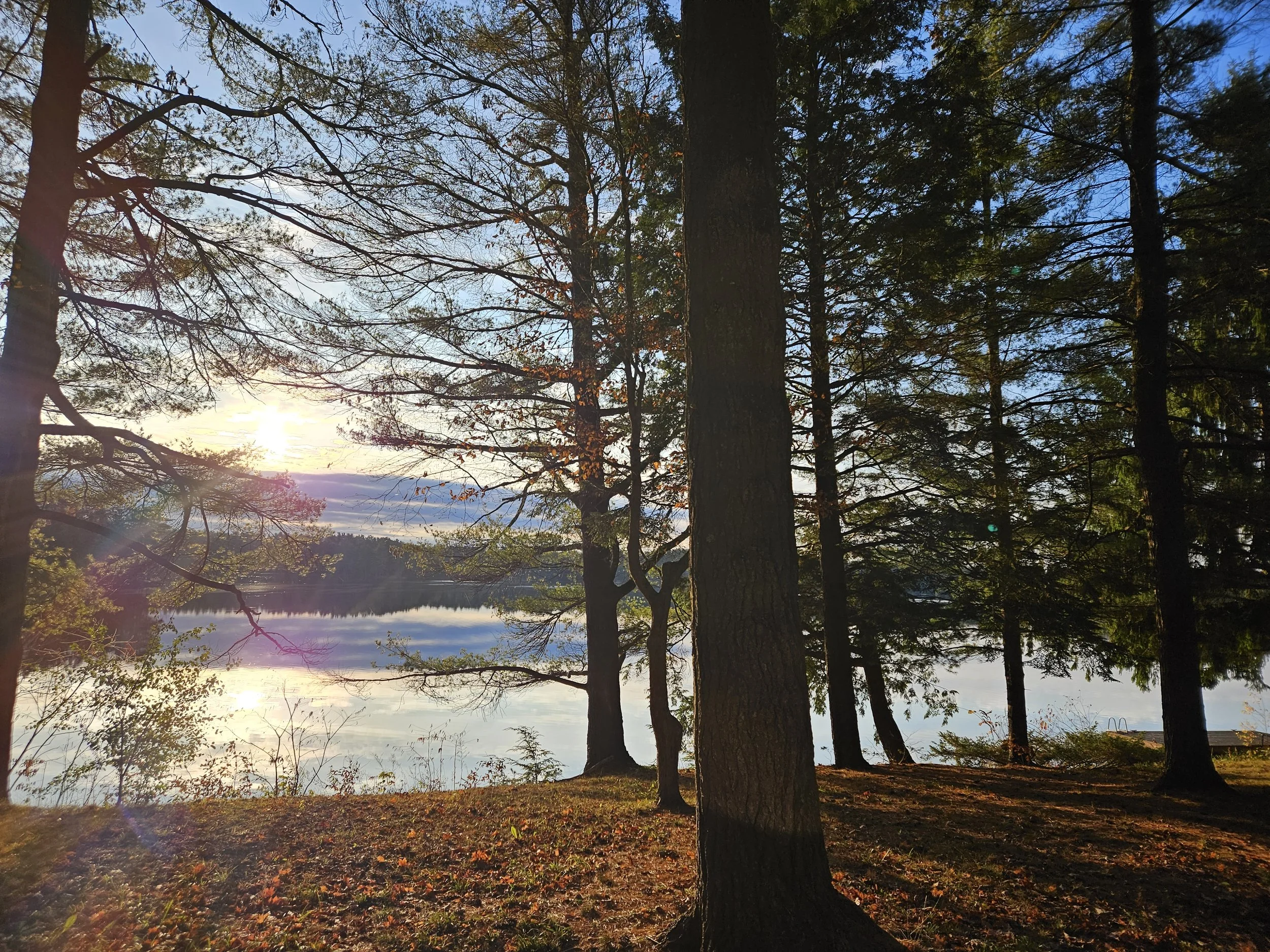
5. The central portion of this book takes place at a remote cottage on an island in Ontario. It’s a quintessentially Canadian setting, and also works so well as a place to stage a murder. What was it about this landscape that felt just right for this book?
Northern Ontario is so beautifully wild; the remoteness and isolation of the landscape feels creatively compelling. I did a lot of brainstorming for this book while kayaking on the lake at my parents’ cottage, so my writing environment provided a lot of inspiration!
6. In your other life, you’re a research lawyer. Do you think of writing and practicing law as connected in anyway? Are there skills or insights from one that help with the other? Or do you think of them as totally separate?
They are absolutely connected!
Law, especially litigation, is really about storytelling – you’ve got to present a compelling narrative to win over a decision-maker. The main difference is that in law you’re constrained by the facts, whereas in fiction you can make them up!
My experience as a research lawyer is particularly helpful because I’m used to being confronted with scenarios I don’t fully understand and having to find an answer. I do the same thing when working on a book, whether it’s researching weapons, local flora and fauna, or the decomposition time of a body under certain weather conditions. My Google search history is obviously concerning.
7. Publishing a debut novel marks the beginning of your career as a published author, but it is by no means the beginning of your writing journey. What has the road so far been like? What has been the hardest bump to navigate? What surprised you? What are you most proud of?
I started writing seriously in 2020 and queried my first manuscript with literary agents in 2021: no luck. I tried with my second manuscript in 2022-2023: again, no luck. Happily, the third time was the charm. I attended ThrillerFest in May 2024 in order to attend PitchFest, an event that is like speed dating for authors seeking literary agents. There, I pitched my third manuscript and got a number of full requests. I ultimately signed with my wonderful agent (Carolyn Forde of Transatlantic Agency) and she sold VENOM LAKE a couple of months later.
One of the hardest things to navigate was rejection in relation to full manuscript requests. I really believed that if a literary agent requested my work, I was all but guaranteed an offer of representation. Not true! I’m proud of myself for not giving up after I received rejections on full requests for my second manuscript. It was honestly a bit crushing, but I had already decided I was going to persevere.
I am continuously surprised at how slowly things move in publishing. When my agent sold my book in 2024, I was shocked that it wouldn’t be published until 2026. But this, as I have learned, is a very normal timeline!
8. I’m always curious about other writer’s workspaces and routines. Where, when, and how do you like to write?
Because I’m a lawyer by day and an author by night, my best writing time is in the early evening, usually before and/or after dinner.
I now have a home office, but I wrote most of my first three manuscripts sitting on my living room couch! On the weekend I usually spend at least one morning working in a café for a change of scenery.
I write on a laptop and I usually use Word (although I’ve been known to dabble with Scrivener). Once I have a rough draft banged out, I often use coloured index cards to help me visualize the different POVs and plot points.
9. What advice would you give someone who is trying to write their first novel?
Set a deadline to have the novel written (6 months, 1 year, etc.) and figure out the word count you need to hit on a daily or weekly basis in order to achieve that goal.
Give yourself permission to write badly. I write terrible drafts! But once you have something on the page, you have something to work with. Editing is my favourite part of writing!
Finally, keep reading for fun! And read widely – books outside the genre you’re writing in still have lots to teach you about character development, pacing, tension, and structure.
10. What should we all be reading, watching, or listening to right now?
Reading: Anything by Irish author Liz Nugent! I love her twisted, psychologically complex characters.
Watching: Industry, Summer House (talk about twisted and psychologically complex!)
Listening: The Shit No One Tells You About Writing, So True with Caleb Hearon, My Therapist Ghosted Me.