A Conversation with Kerry Clare
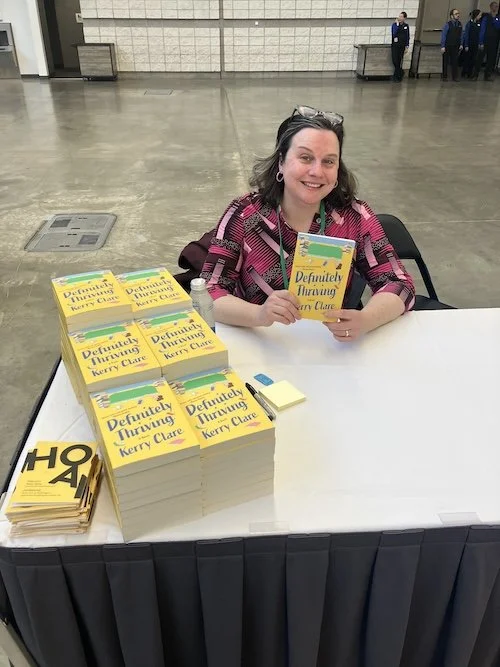
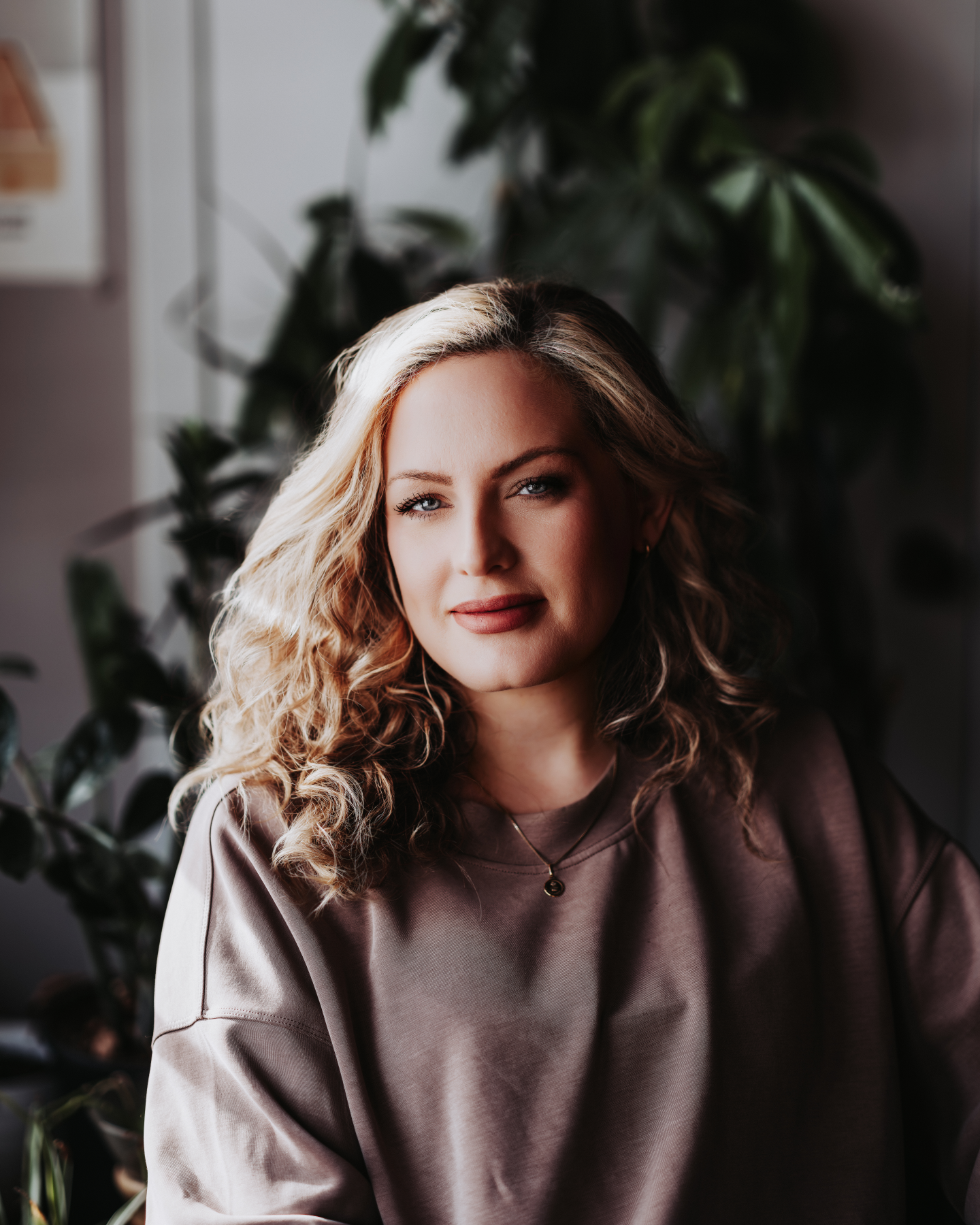
Novelist, blogger, and podcaster Kerry Clare.
I have loved all of Kerry’s novels, but I have to say that her brand new book, Definitely Thriving, is my favourite so far. Warm, smart, and very funny, it features Clemence, a relatable heroine who has fled her marriage and the trappings of an upper middle class life in order to rebuild her life from the ground up.
If you would like to hear Kerry speak about this fantastic new work, check out her Instagram for event dates near you. I myself will be travelling to Toronto TOMORROW to attend her launch at Paradise Theatre, which will include a showing of Bridget Jones’s Diary (!!) and a conversation between Kerry and her good friend, author Marissa Stapely.
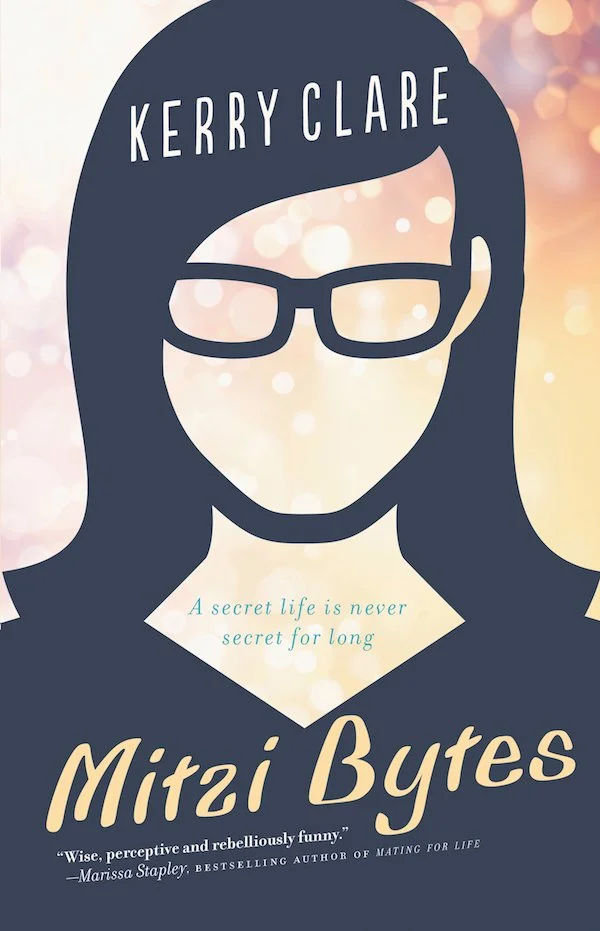
Kerry Clare is the author of four novels, including Asking for a Friend, Waiting for a Star to Fall, and Mitzi Bytes. Her new book, Definitely Thriving , launches this month from House of Anansi Press. A National Magazine Award-nominated essayist and editor of The M Word: Conversations About Motherhood, Kerry also edits the Canadian books website 49thShelf.com, is host of the BOOKSPO podcast, and writes about books and reading at her longtime blog, Pickle Me This. She lives in Toronto with her family.
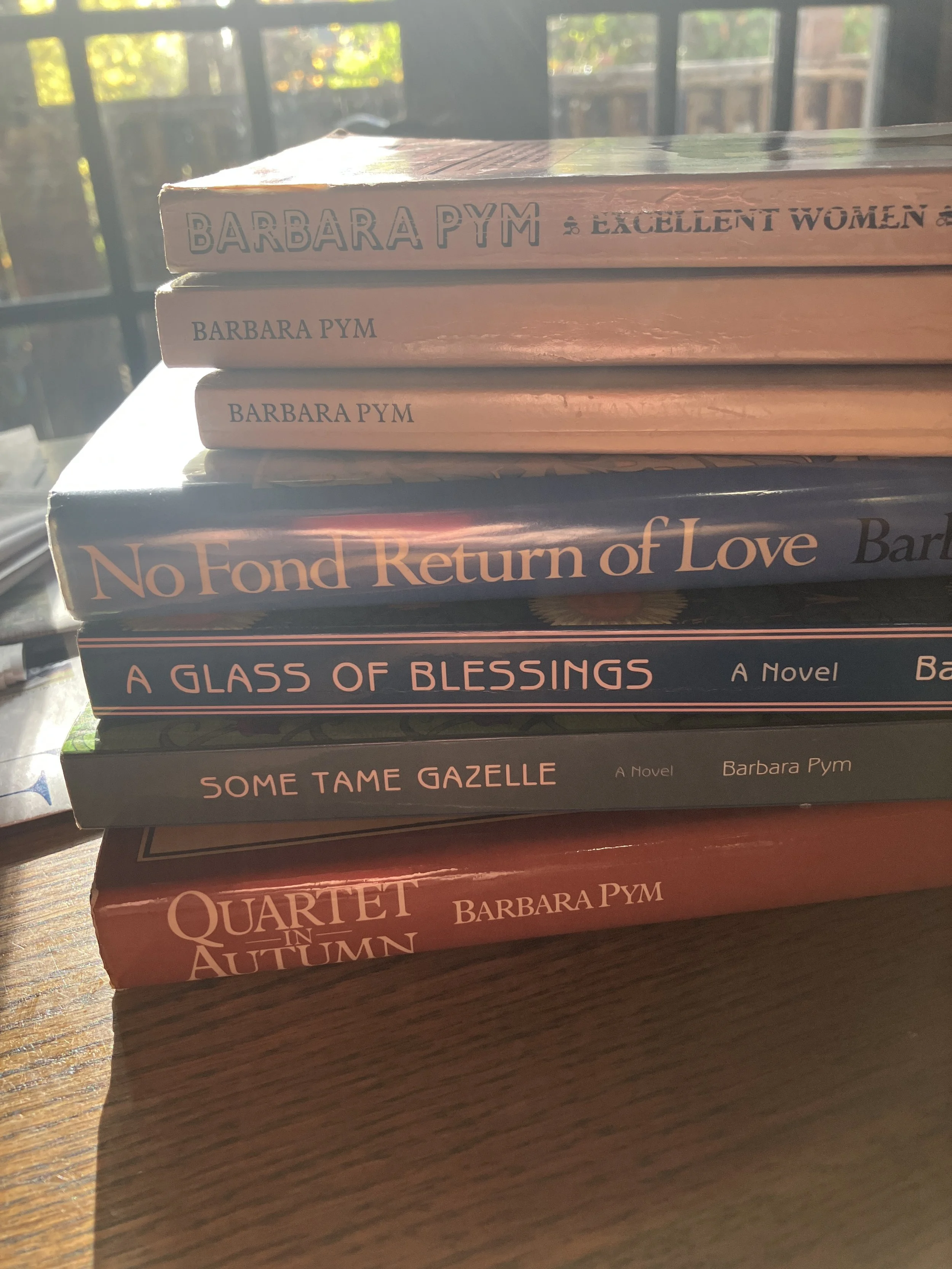
Kate: Definitely Thriving is a book in conversation with other books by other women about what it means to be a person of subsistence living a meaningful life. So many of these writers — Virginia Woolf, Helen Fielding, Mary Oliver, and Rebecca Solnit— were familiar to me. They also belong to the chorus of literary voices singing in my own head. There was one name, however, I must admit I only know from your social media and blog posts over the years, and that is Barbara Pym. I plan to remedy that ASAP, but in the meantime would you mind telling me what it is about her work that means so much to you?
Kerry: Well, I love nothing more than evangelizing about Barbara Pym, the English novelist who lived from 1913-1980 and whose work fell out of fashion in the middle of her career in the 1960s, only to be revived in 1977 when she was named one of the century’s most underrated novelists in the Times Literary Supplement, after which she published another book and was shortlisted for the Booker Prize and managed to enjoy some time being lauded and celebrated before her death. I adore her work, though I can see why the appeal might not be universal—her touch is subtle, her scope is limited, her plots are peculiar, everything just a little bit off-beat. (I think you’d like her though!)
But that off-beat is where the charm lies, and these stories—which are often about English village life or London church communities—with their strange specificity (Pym’s first novel opens with the line, “The new curate seemed quite a nice young man, but what a pity it was that his combinations showed, tucked carelessly into his socks, when he sat down.” What does that even mean??) turn out to have remarkable universality.
She writes wonderfully about small things: ““Oh, I know it’s a trivial detail…but these are the things that make up life, aren’t they…” remarks a character in No Fond Return of Love. And along these lines, her takes on human pettiness are really masterful. Hilarious AND relatable.
Kate: We meet your (singular! plucky! hilarious!) protagonist Clemence just as she has blown up her marriage and left behind a large house full of stuff to which she felt no connection. She lands back in her hometown of Toronto, in a dingy-but-charming attic apartment furnished with a hodgepodge of objects left behind by former tenants, or provided by her (equally singular! plucky! hilarious! ) landlady. This lack of comfort and fashionable furnishing is a key component of the life reset Clemence is seeking. She then spends the rest of the book acquiring a new set of belongings one-by-one, objects full of story and imperfection that connect her to people and place. As your narrator concludes near the end of the book, “Clemence had arrived with so little, and here she’d gone and built a universe.” It’s my favourite line in the whole book.
So often conversations about one’s relationship to material objects are framed in terms of a simplistic minimalist/maximalist binary, but you offer your readers something richer. Can you talk a little bit about your relationship to stuff, and why you choose to explore this theme in Definitely Thriving?
Kerry: Which brings us right back to small things and the trivial details which are what makes up a life! There’s a line in the book about Clemence having previously had a life that could have been chosen from a catalogue, which is to say that everything was shiny and new but what lacking dimension, substance. And once she blows up her marriage, she resolves to have a different kind of relationship with, well, everything. Including stuff.
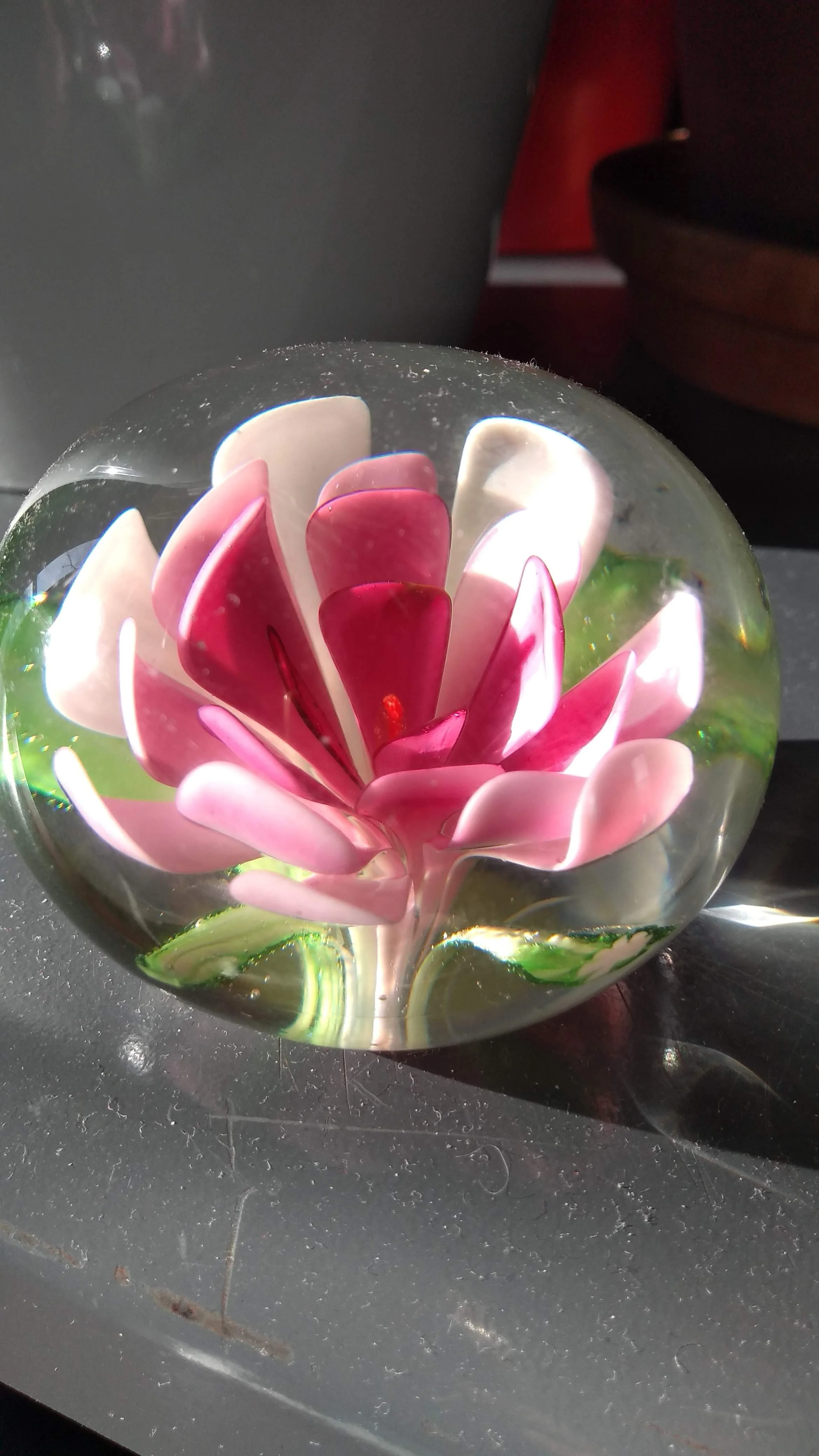
I love stuff. My apartment is stuffed with stuff. Objects and things bring me delight, real delight, but these are often objects or things that came to me by happenstance—the paperweight I bought at an antique market, beach glass I found at Woodbine Beach, my manual eggbeater, the tea set that was my great-grandmother’s that my aunt passed on to me when she died. Or mugs and other art that people made with their hands. I do have a lot of furniture I carried home from someone’s curb. Dust collectors, all of it, but it’s infused with meaning, and also is mostly divorced from capitalism in a rare and wonderful way.
Kate: This is fourth novel you’ve sent out into the world. What are the best and worst parts of publishing a book? What did you learn this time around? Has anything felt different this time?
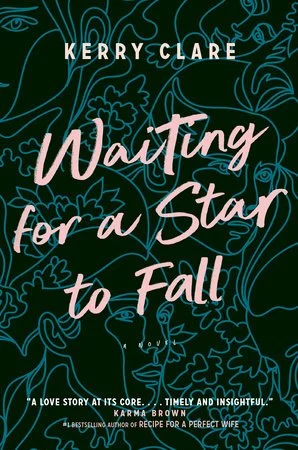
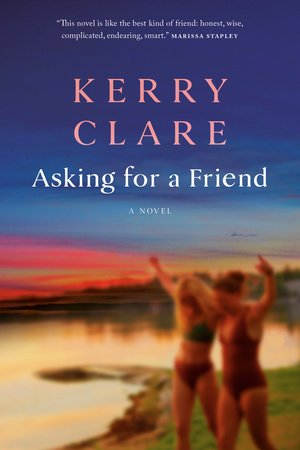

Kerry: Oh my goodness. I don’t know whether to answer this question by cackling hysterically or weeping. When my first novel came out, I was so naïve. I thought the world was waiting for it, I thought everyone would love it. I thought that anybody cared. I thought that from here on in, I would get to be a big deal. I remember that I was travelling to a certain place that season where there was a literary festival, and I thought I could just tell them that I happened to be in town and everyone would bend over backwards to give me a spot in the program.
Publishing my fourth book has been a process of learning to hold two realities in balance: that this is extraordinary, this novel is a gift, it’s all a big deal and very exciting; AND ALSO nobody cares, none of it matters, I am not special, books are not special. There is discomfort in balancing those truths—it would be so much easier to cling to certainty!—but it’s also where reality lies.
I used to think that I could offshore my sense of self and value onto my identity as “writer” but that turned out to be quite untenable and precarious. Now I’m wholly invested in being a human instead, which all the fallibility and inevitable strife and heartbreak that entails—in some ways my journey has not been so entirely different from Clemence’s.
Kate: You give the best recommendations. What should we all be reading right now?
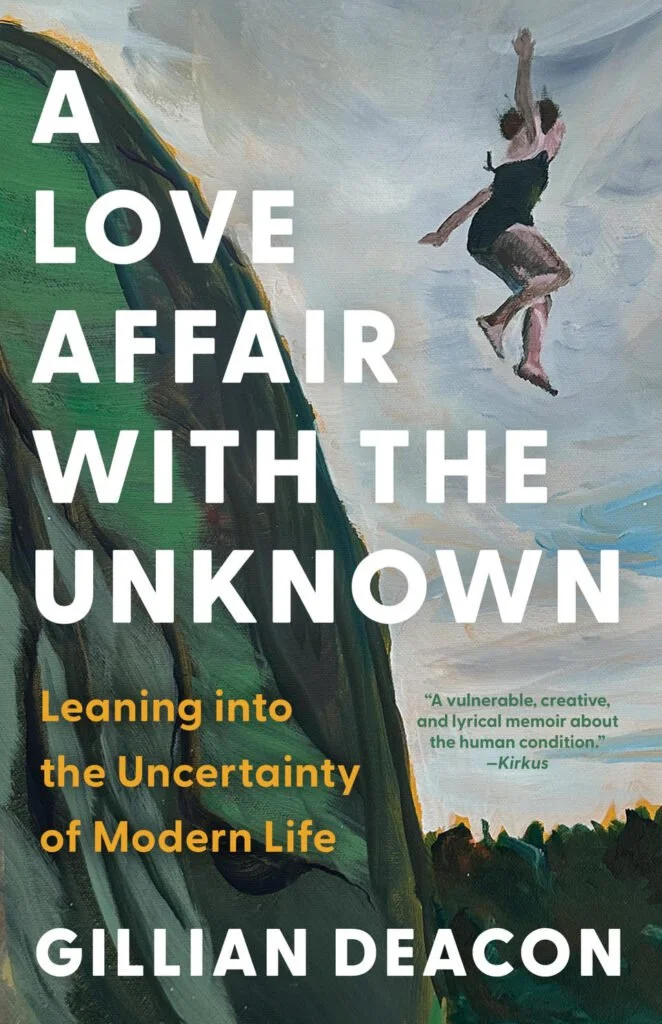
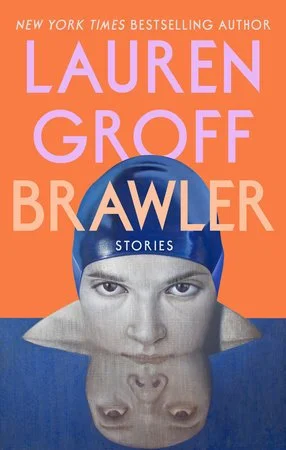
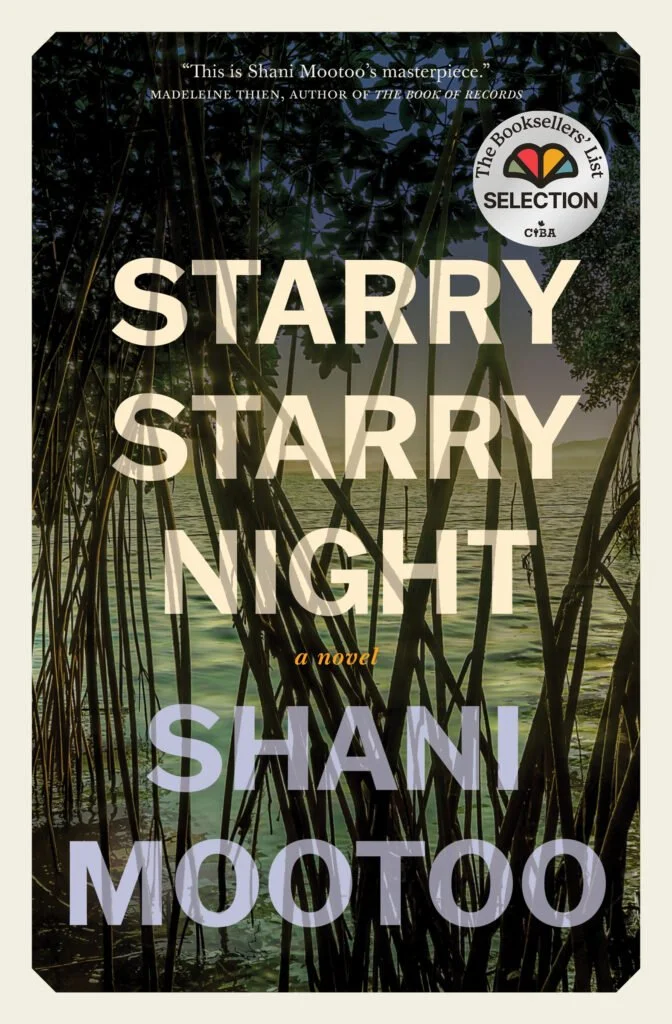
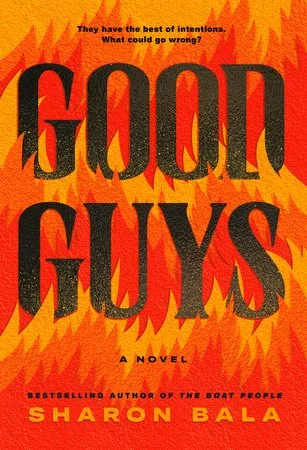
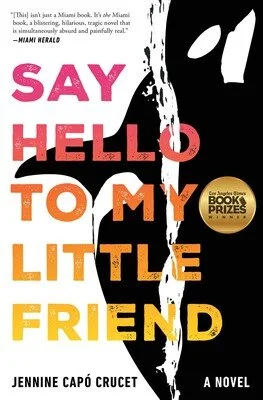
Kerry: Thank you! Gillian Deacon’s A Love Affair With the Unknown wisely articulates the experience of learning to live with uncertainty and discomfort (which is basically what being human is). I will return to this book again! Lauren Groff’s Brawler hit me like gut punch—she’s so brilliant. Starry Starry Night, by Shani Mootoo is a 2025 novel that haunts me in the best way. Sharon Bala’s Good Guys is GREAT. I am obsessed with Say Hello to My Little Friend, by Jennine Capó Crucet, which I only read because I am also obsessed with Pitbull and this novel is about a Pitbull impersonator, but it turns out to be a very Pitbull-critical text, billed as Scarface meets Moby Dick, and I would have been blown away by it if it made no reference to Pitbull at all.
Kate: What are you most looking forward to as spring finally inches closer?
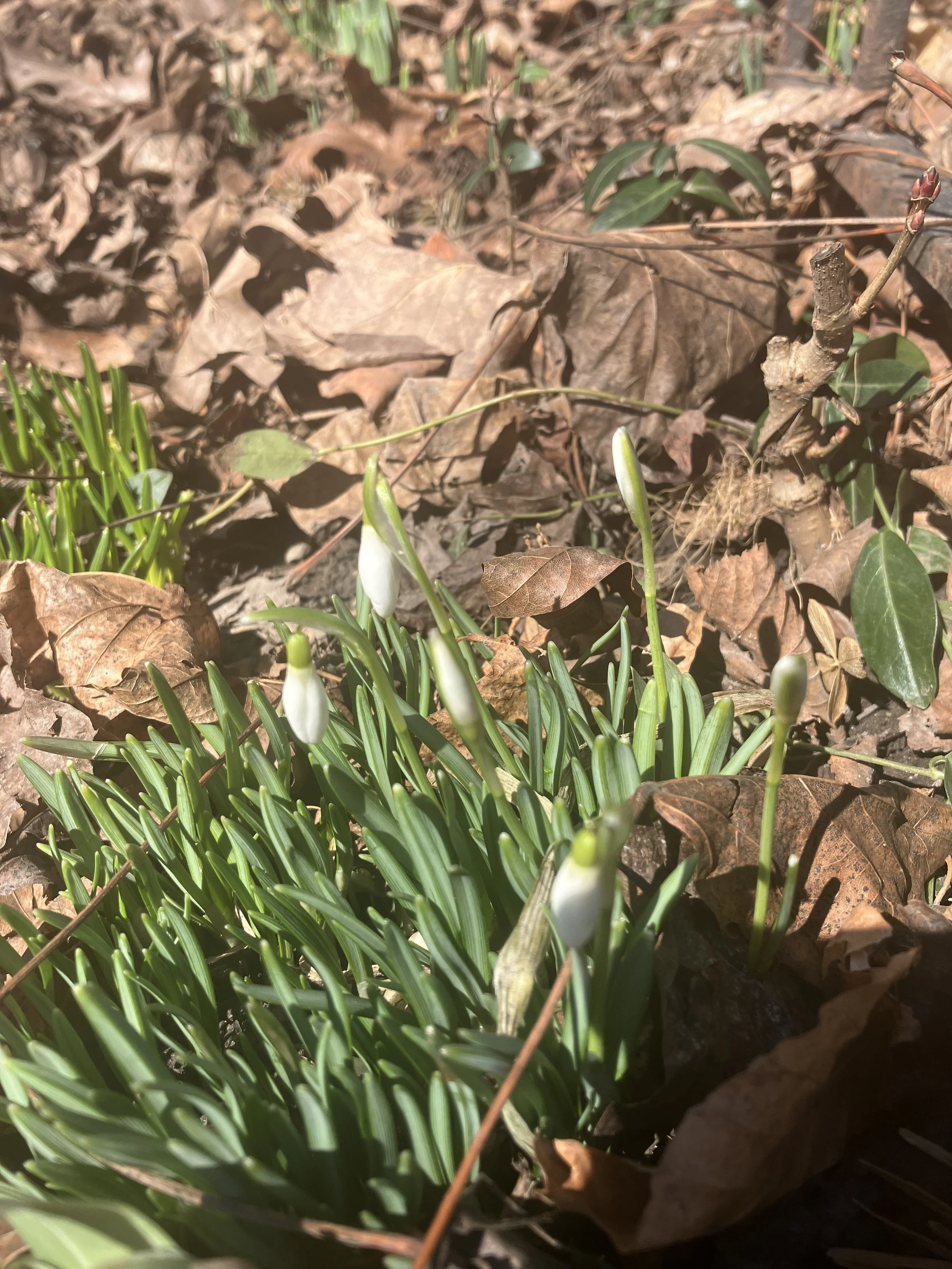
Kerry: I’ve been trying to stay present this winter, to be where I’m at instead of flinging myself into a future that hasn’t arrived yet, and I’m thinking about my publication of my book in the same way—I want to enjoy each thing for what it is instead of what else it could lead to. Turns out I’m not in control of any of it, the seasons included. (I used to not know this!) But oh, the appearance of snowdrops will be most welcome, and I would love it if the last time I had to climb over an iceberg to get anywhere was yesterday.