Just One Question for Alison Gadsby
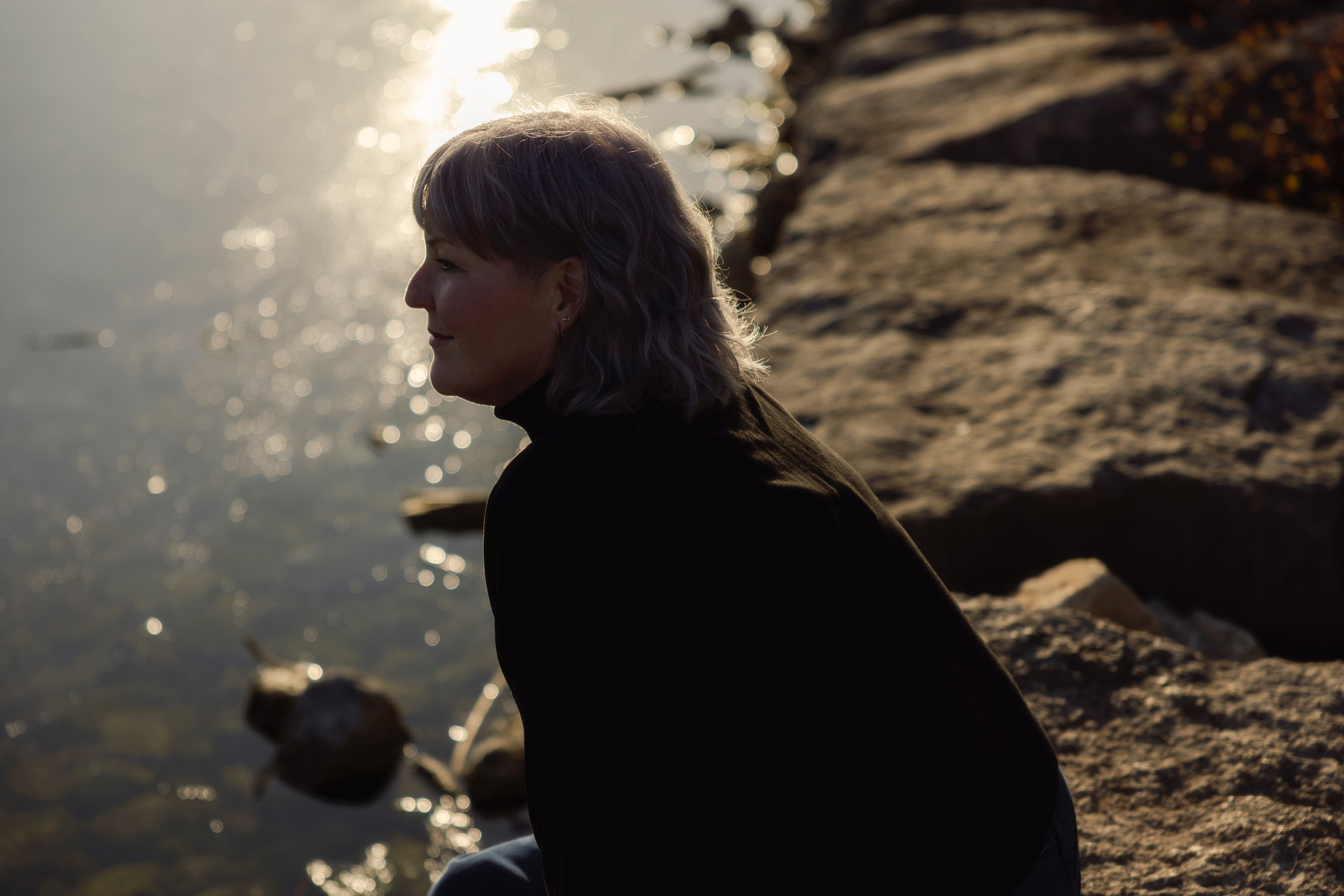
“Water is the safest place on earth for me.” -Alison Gadsby
There’s something electric about the stories in Alison Gadsby’s new collection, Breathing is How Some People Stay Alive. Reading them felt like a live wire. My brain buzzed with their after effects for days after I’d put the book down.
It’s a collection that slips and slides between a variety of genres, from speculative fiction, to psychological realism, to horror. Story by story, Gadsby expands our view of the world she’s created, offering alternative view points, jumping us forwards and backwards in time, complicating our feelings about her characters and their actions. It’s a world that, despite the existence of speculative elements like time travel and humanoid husbands, has much to say about the ordinary cruelty of our own.
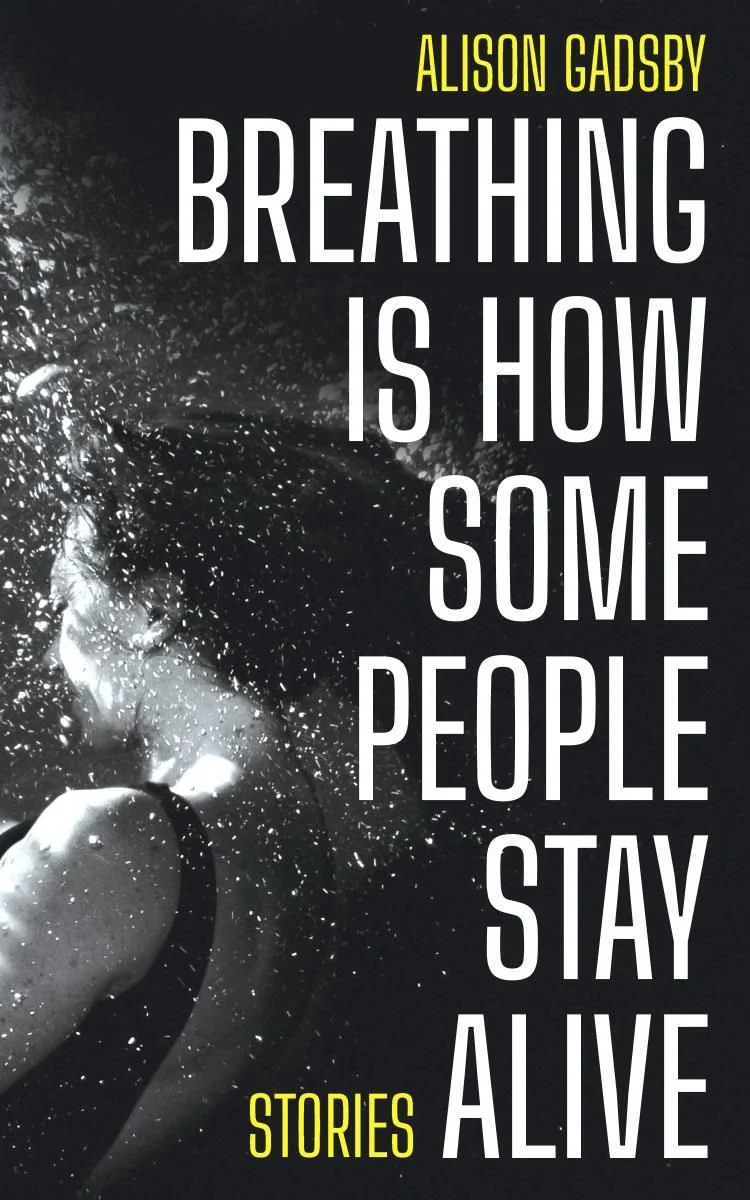
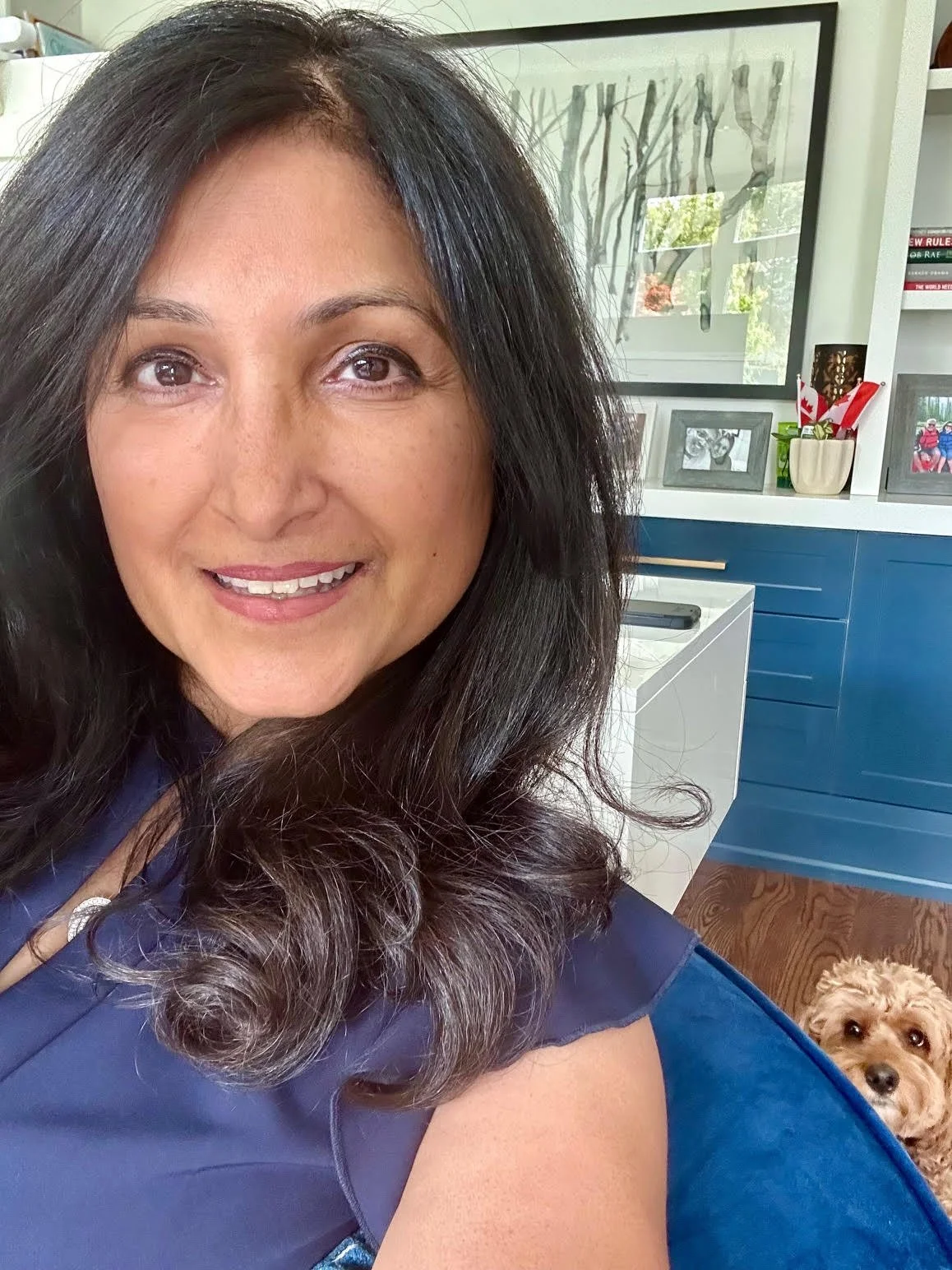
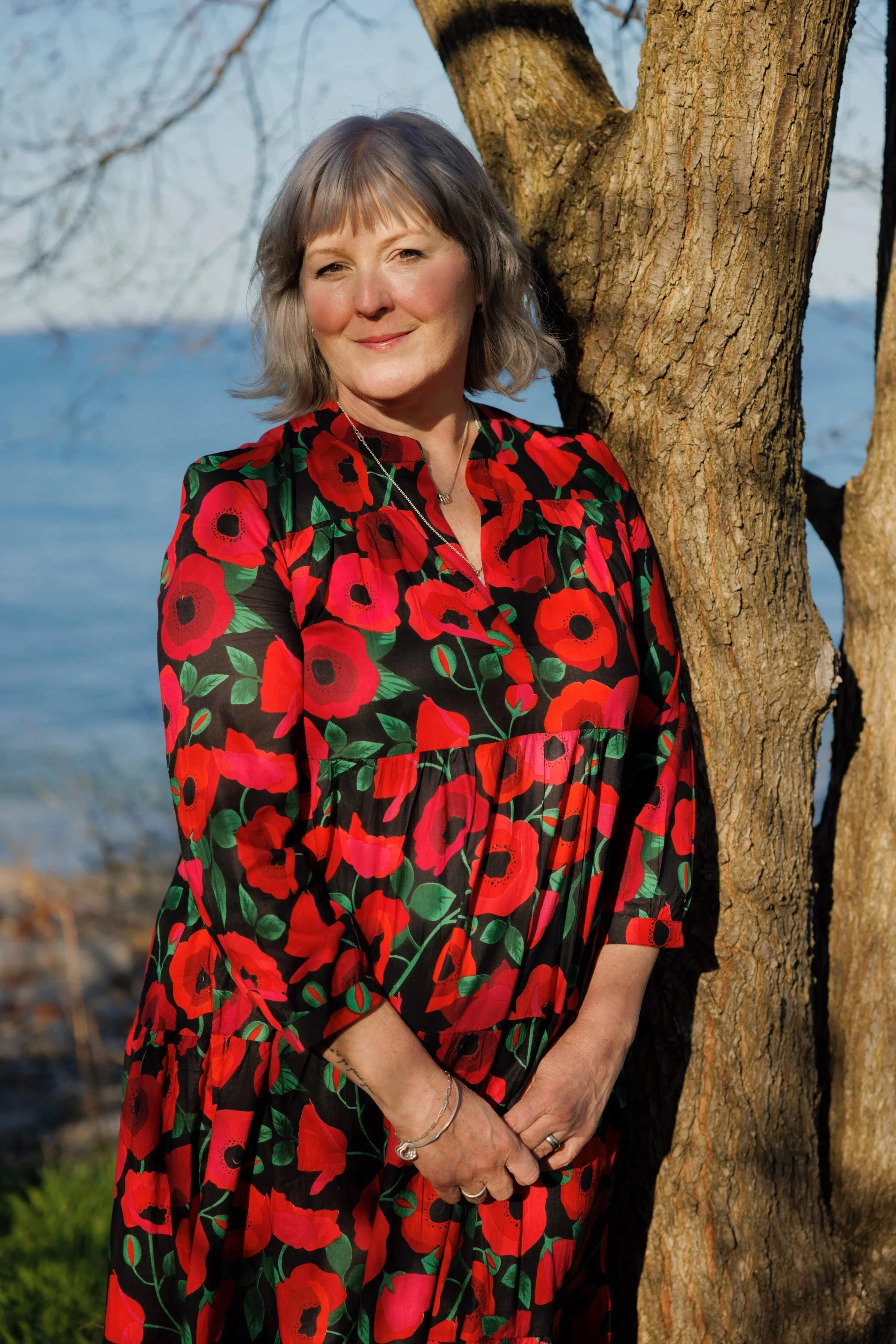
Alison Gadsby is a first-generation Canadian living in Tkaronto (Toronto). She’s also the founder/curator/host of Junction Reads, a remarkable prose reading series in the west end of the city.
Alison’s debut novel Dreams of the Weary, is forthcoming from Palimpsest Press tpress.ca/2028.
Q/ All the characters in this book are grappling in some way with the liminal zone between life and death. In each piece, you approach this uncomfortable territory from a different angle. Some characters are struggling to stave off death, while others fantasize about drawing it closer. In the case of your android characters, you compel the reader to consider what counts as living, whose deaths matter and whose don’t. Can you speak about this thematic thread? What did you hope to say about the nature of mortality in this moment?
It is interesting I think that in reading this question, in closing my eyes and really thinking about an answer, the only thing I can think is that I am obsessed with death. Not in the morbidly curious ways, or perhaps the stereotypical ways, one might think about death – that it’s creepy, that it’s dark or scary, that it’s something to be afraid of – but in inexplicable ways. I am not afraid of it, never have been, and it has only been through my writing that I’ve been able to explore what death means to me, to my characters.
As a kid, I was constantly afraid. Scared of my abusive father, scared of my mother’s silence, scared of the kids on our street, bullies, the police who came to our door looking for my dad (I don’t know how many times this happened, but if anyone knocked on our door on a Saturday morning, it was the cops), scared of priests and teachers whose job it appeared was to make me feel afraid. I often imagined what might happen if I died, obsessively hoping people would be sad, regretful, and that a piece of me (a photo in a purse, a t-shirt of mine, a lock of my hair) would become more precious to survivors than I-me-Alison had ever been alive. In death, I’d become more important than little me ever felt in her entire life.
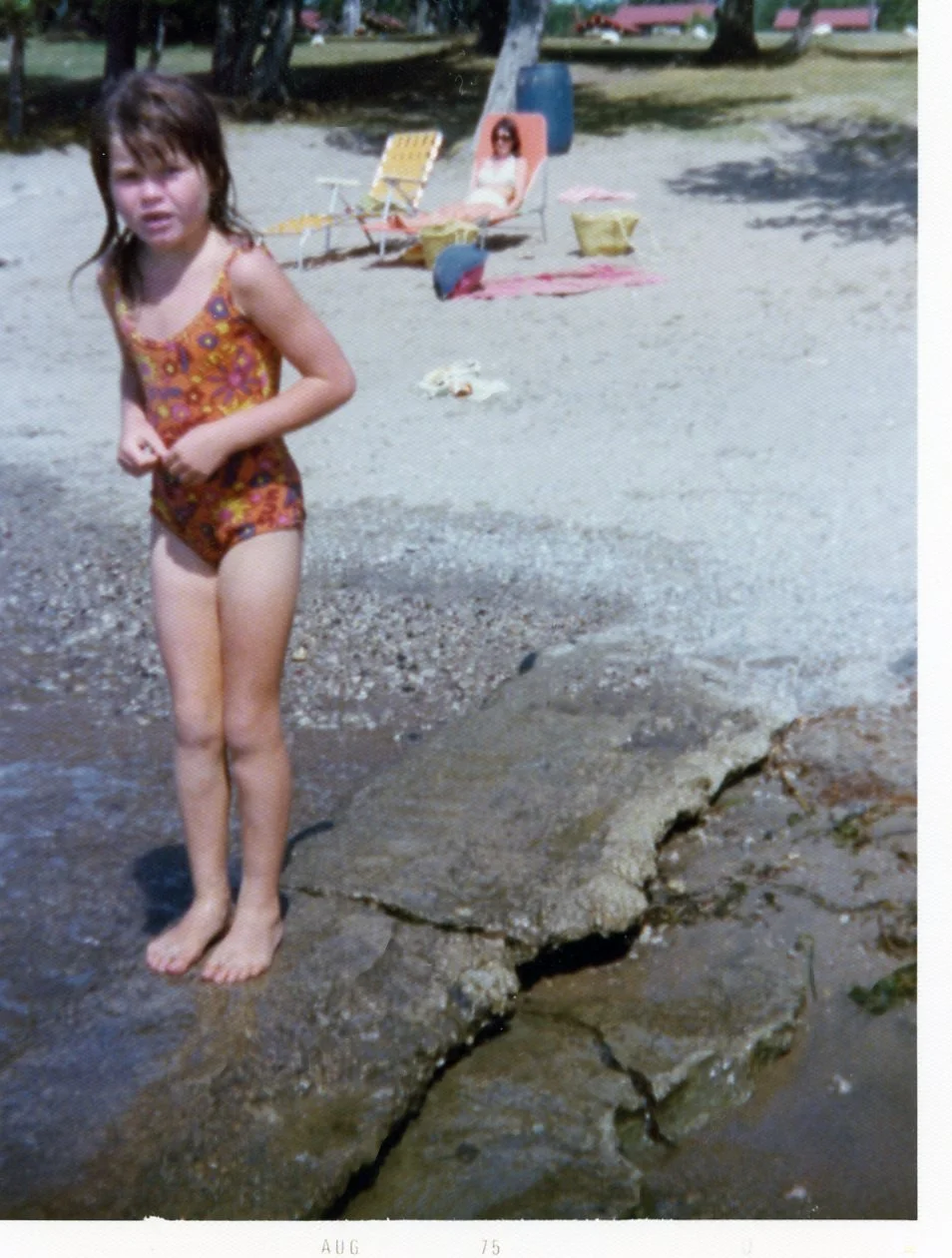
Alison as little kid at the beach, always scared.
It will surprise nobody then to learn that my post-partum mind obsessed about death too – my babies dying in a house fire, a car crash, falling down a sewer well, off a cliff, or being taken, disappeared, so that I had to come to the difficult decision years later to declare them dead. This was a twenty-four hour a day nightmare I lived for months after each of them were born. These death dreams, both waking and dreaming, would trigger explosive, inconsolable tears, that I’d then dramatize in front of a mirror, trying desperately to exorcise the demons that had taken over my mind. What kind of mother dreams of her children dying? So much, so often, so violently? I didn’t write about it. Never could I – would I – put down into words all those horrific thoughts. It’d be evidence, wouldn’t it? For the cops who knocked on the door and asked where I was at the time of their deaths. That is the realism of post-partum fantasy. But in fiction, it is okay to imagine what another mother might do, how a woman clinging to the childhood trauma that became her only connection to her brother, for example – how she might respond when she finds herself in the trunk of a car, about to die.
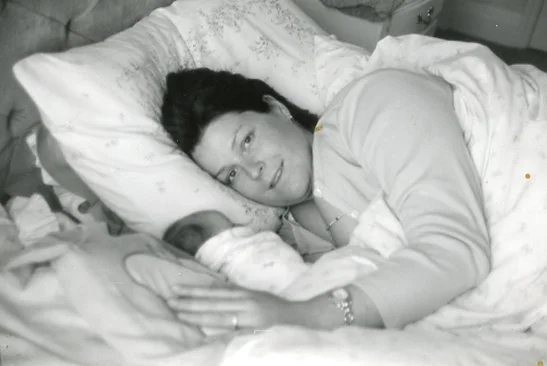
Alison with baby. I can’t think of a moment in the months after any of the three kids were born, that they weren’t beside me, attached to me, within reach of me.
Back to the question. My answer. I didn’t think I was consciously writing about death as a theme in the collection, but I am aware that it is a dramatic topic. People, lots of people, are afraid of it. Lots of people believe anyone who causes death is evil (although morally that isn’t something I believe – a complex statement, I’m sure, but for a society that doesn’t bat a lash when swaths of humans are murdered in the name of war or peace, why do we care so much about a serial killer?) and I wanted to challenge the reader to consider the complexity of their reaction to death, both the serious and lighthearted show of it. It may or may not provoke the same reaction when humanoid children are murdered as it does when a mother of a young girl dies of cancer or when a woman with postpartum depression grieves the death of her own mother. As readers, we are each standing in a different location, from which we see the actions of various fictional characters as good or bad – I truly believe that for every one of us, no matter how good we are, there is another person who wouldn’t give a toss if we died today. Like, shoulder-shrugging, oh-well, kind of carelessness. The collection is first and foremost an examination of human behaviour (all good stories are) and doesn’t ask much of the reader, except to consider who they believe is good and who is bad.
The nature of mortality? As an atheist, it’s pretty cut and dry for me. We are here and then we are not. We only exist after death in all the things we did while alive, in all the people we loved and cared for, and the good things we do go a longer way than the bad. Death is the most complex of our human experiences, for it causes the most pain, the most relief, the most fear, the most hate, the most happiness, the most peace, and what I believe (and this is what I think some of my characters are searching for) is that in a moment before dying – inside the spiritual, fleeting time between when we are alive and when we are dead – we learn all we need to know about the meaning of our own little life, and it is in these seconds that we will see all the bad we’ve done, all the good, and it is in these moments we will find the serenity that I believe exists in a good death.
Connect with Alison online:
Website: alisongadsby.ca
Instagram: @ay.jay.gee, @junctionreads,
Substack: @alisongadsby
BlueSky: @junctionreads.bsky.social
*For information about upcoming events, see Alison’s website or Bluesky